Mercedes sl faces a euro 7 reality check: v8s evolve, four-cylinders fade
The Automotive landscape is about to shift dramatically, and Mercedes-Benz is feeling the heat of the incoming Euro 7 emissions regulations. Forget the smooth, predictable march of performance – a fundamental reset is coming, particularly for the venerable SL platform.
A farewell to the four: m139’s demise
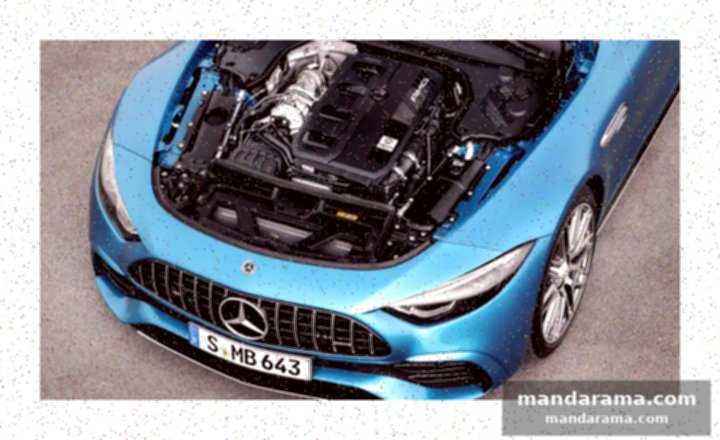
The four-cylinder M139 engine, currently powering the SL43 and providing a respectable, if somewhat underwhelming, 421bhp, is being scrapped entirely. It simply can’t meet the tightened emissions targets slated for next year. This isn’t a minor tweak; it’s a complete shutdown of a powertrain that’s currently delivering a 0-62mph sprint of 4.7 seconds and a frugal 9 liters per 100km.

The six steps in: a microhybrid future
Mercedes is pivoting to a three-liter, microhybrid six-cylinder, tentatively dubbed the M256 Evo. Expect around 455 bhp, augmented by electric assistance – a significant jump in performance, and a necessary one to keep the SL competitive. This new engine will undoubtedly underpin the forthcoming SL53 AMG, offering all-wheel drive for added grip and a substantial price increase.

V8s under pressure: a strategic shift
But the changes aren’t limited to the base model. The iconic V8s powering the SL55 and SL63 are also undergoing a radical transformation. The traditional cross-plane crankshaft is being replaced with a flat crankshaft – a clever solution intended to simultaneously reduce emissions and boost power. Rumors suggest a 544bhp version for the SL55 and a blistering 658bhp for the SL63, with the plug-in hybrid SL63 S E Performance potentially receiving an even more substantial boost, though details remain scarce.

Sl63 s e performance: unanswered questions
Currently, that plug-in hybrid monster delivers a staggering 816bhp thanks to electric power. However, it’s unclear if this performance will be maintained with the Euro 7 adjustments. It’s a situation ripe with speculation, leaving many wondering what the final output will be.
Price hike and performance trade-off
The shift represents a significant investment for Mercedes. The new six-cylinder will likely command a higher starting price than the current four-cylinder SL43, while the more powerful V8 variants will undoubtedly reflect the added complexity and emissions control systems. It’s a calculated risk – one that could ultimately redefine the SL experience.
A clear signal: the regulatory shift
Ultimately, the Mercedes SL’s future is inextricably linked to the evolving regulatory landscape. What was once a leisurely grand tourer is now facing a demanding test of performance and efficiency. And the outcome, it seems, will be anything but predictable.”n