Peugeot 408 2026: a bold gamble that might just pay off
The 2026 Peugeot 408
isn't about fitting neatly into a box. It’s a deliberate, if somewhat awkward, statement – a fastback that attempts to reconcile the sleek lines of a coupe with the practicality of a family car. And frankly, it’s a gamble that, surprisingly, doesn’t completely backfire.Exterior tweaks: more than skin deep
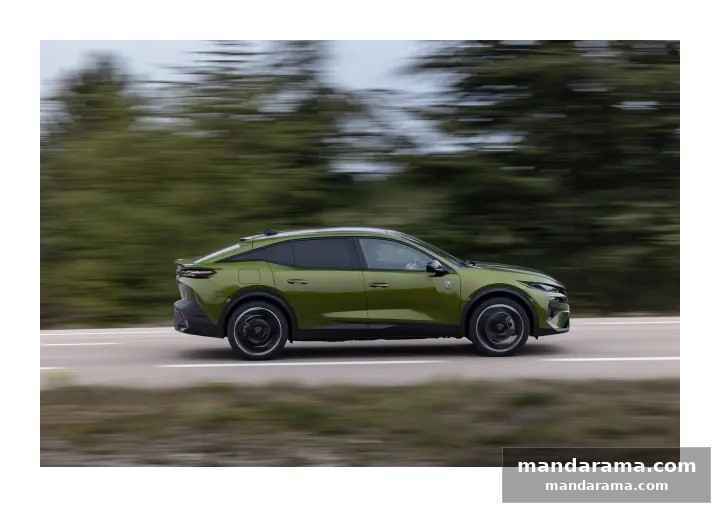
Let’s be blunt: the front end is the 408’s most significant upgrade. The new bumper and headlight signature are aggressively sharp, paired with a set of wheels ranging from 17 to 20 inches. Peugeot isn’t trying to disguise this as a traditional sedan; they’re leaning into the coupe-like silhouette, a move that will undoubtedly polarize buyers. The illuminated logo, a subtle detail, adds a touch of modernity. Rear lighting, featuring integrated Peugeot lettering, continues the visual language, creating a cohesive, if unconventional, design.

Inside: i-cockpit evolution
The i-Cockpit remains, of course, a divisive element. It demands acclimatization, a test of habit. But the 10-inch digital instrument cluster, particularly in the GT Exclusive trim with optional 3D graphics, is a definite improvement. The centrally mounted 10-inch touchscreen integrates seamlessly with five customizable i-Toggles – a genuinely useful feature. Higher trims boast Alcantara upholstery and genuine aluminum accents, elevating the perceived quality. While some tactile controls remain frustratingly touch-based, the overall interior experience is noticeably refined.

Powertrain options: electrification takes center stage
The powertrain choices are where the 408 truly distinguishes itself. Starting with the Hybrid 145 e-DCS6, featuring a mild-hybrid system, you’ll find a fuel-efficient, economical option. The Plug-in Hybrid 240 e-DCS7 adds a significant electric range – up to 85 kilometers – and combines a 180hp petrol engine with a 92kW electric motor. But the star of the show is undoubtedly the fully electric E-408, boasting a substantial 58.3 kWh battery and a WLTP range of 456 km. Charging speeds, while not groundbreaking at 120kW, are sufficient for most needs. It’s a surprisingly capable EV, though potentially lacking the raw urgency of some rivals.
On the road: comfort with a hint of edge
The 408 prioritizes comfort, exhibiting a compliant suspension that effectively absorbs road imperfections. It doesn’t offer the razor-sharp handling of a 308, but it’s a genuinely pleasant cruiser. The responsive steering provides decent feedback, though the diminutive steering wheel requires some adjustment. The electric variants demand a nuanced approach to regenerative braking – a subtle blend between the system and the traditional brake pedal.

The verdict: a worthy contender
The 2026 Peugeot 408 isn’t the cheapest or easiest to categorize. However, it’s a compelling alternative in a crowded segment. It’s a bold design statement, a surprisingly practical family car, and a committed foray into electrification. Starting at £31,720, it’s priced competitively against the Renault Arkana and Cupra Formentor, making it a serious contender for those seeking something different.