Rolls-royce pivots: electrification on hold, coachbuild collection revived
Forget the all-electric future you thought Rolls-Royce was hurtling towards. The storied British marque has taken a sharp turn, admitting that a full transition to electric vehicles by 2030 is off the table, opting instead to let its customers dictate the brand’s direction. It’s a surprising, and arguably shrewd, move, signaling a renewed focus on bespoke craftsmanship and the enduring appeal of the V12 engine.
The client is always right – even when it comes to engines
The shift comes after Rolls-Royce listened, really listened, to its clientele. Apparently, the prospect of a multi-million euro electric supercar didn’t exactly set the luxurymarket ablaze. Instead, the company’s leadership realized that many buyers remain deeply attached to the visceral thrill and unmistakable sound of the legendary 6.75-liter V12. As CEO Chris Brownridge put it, clients wanted to witness the entire creation process, not just the finished product. And they wanted choices – a lot of them.
This realization has led to the reinvigoration of the Coachbuild Collection, a program resurrected from its previous success with models like the Sweptail (famously rumored to be the most expensive new car ever built) and the Boat Tail. Now, a select group of customers—those with a “special affinity,” as Rolls-Royce puts it—will be invited to private studios to design limited-production vehicles from the ground up. The program isn’t just about personalization; it’s about a collaborative journey, a return to the era of truly bespoke motoring.
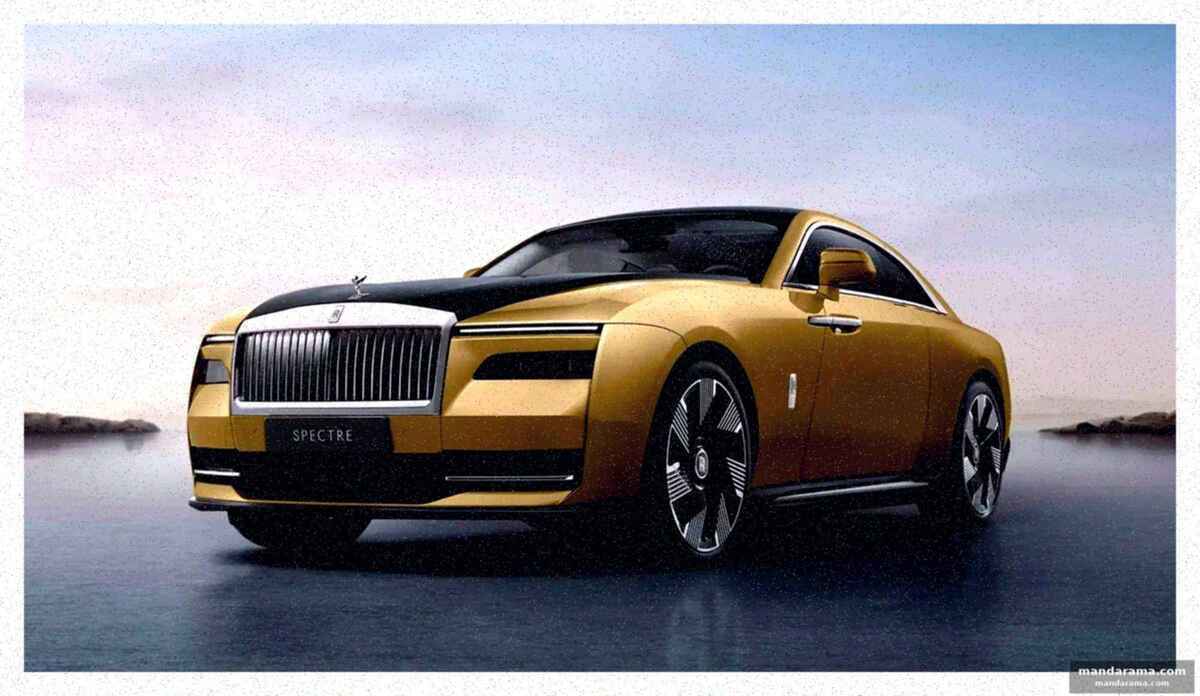
The Spectre remains key, but the V12 isn't going quietly. Rolls-Royce intends to integrate electrification gradually throughout the decade, and the Coachbuild Collection will be critical in convincing those on the fence. The next bespoke model, for instance, will be an electric vehicle, marking a significant step – but not a complete departure – from the company's heritage. The lingering popularity of the V12, accounting for the majority of sales, demonstrates that the rush to electric hasn't entirely eclipsed the allure of a powerful combustion engine.
Georgina Rodíguez, Cristiano Ronaldo's partner, recently showcased this enduring appeal, stepping out in a Bugatti valued at over €10 million—a stark reminder that some drivers still crave the drama and performance of internal combustion. Rolls-Royce understands this dichotomy and is now embracing it, offering a path where luxury and heritage can coexist with the demands of a changing world.
A legacy of tailored dreams
The Coachbuild Collection’s revival follows on the heels of the success of previous limited-production models, proving there's a market for truly exclusive, handcrafted automobiles. The Sweptail, launched in 2017, exemplified this ethos – a singular commission inspired by classic Rolls-Royce Phantoms. Now, with the program fully reinstated, the company is poised to deliver even more extraordinary vehicles, deeply intertwined with the individual desires of its discerning clientele. The era of mass production is officially over; the age of the bespoke Rolls-Royce has returned, and it’s being shaped by the very people who will drive them.
The move isn't about abandoning electric vehicles entirely; it’s about controlling the narrative and ensuring that Rolls-Royce’s transition to electrification isn't perceived as a surrender of its identity. It’s a gamble, certainly, but one that could pay off handsomely if Rolls-Royce can successfully marry the allure of the past with the promise of the future.