Solid-state batteries leap forward: 2026 could deliver 1,000km range
Forget 2030. Chinese tech hubs are shattering timelines, promising commercially viable solid-state batteries by 2026. This isn't hype; it's a potential game-changer for electric vehicle (EV) adoption, addressing range anxiety, charging speed, and component degradation – the top concerns for prospective EV buyers.
Solid-state batteries poised to revolutionize evs
The breakthrough centers on replacing liquid electrolytes with solid (or semi-solid) ones. This dramatically enhances safety by minimizing thermal volatility, significantly reducing fire risks associated with short circuits or impacts. That's a direct response to consumer demand for greater peace of mind.
The shift also tackles a persistent problem: battery performance in extreme temperatures. Current EVs suffer range and efficiency losses in cold climates. The new technology guarantees consistent performance, ensuring promised ranges hold true, whether in central Europe or warmer southern regions.
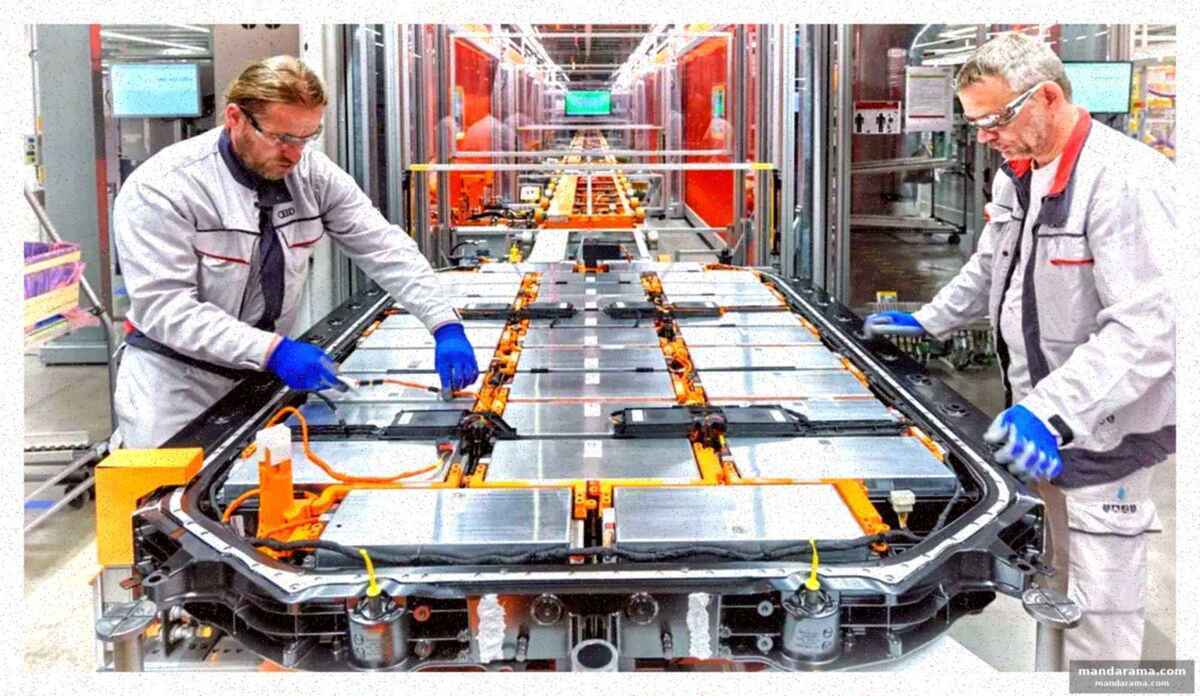
Chery, a Chinese automaker, is developing a high-energy density solid-state battery prototype. This advancement allows for smaller, lighter battery packs while maintaining the same range as existing technology. This lighter weight translates directly to improved handling, reduced tire wear, and a longer vehicle lifespan – a boon for sustainability.
The 2026 milestone: a turning point
While widespread adoption across all price points might still take until 2030, the arrival of high-range EVs in 2026 creates a significant technological divide. Vehicles with these new batteries will be not only more capable but also lighter and more efficient, potentially impacting the resale value of conventional lithium-ion models.
The business side is also undergoing a transformation. A Chinese media outlet has exposed the lucrative, albeit somewhat murky, world of battery recycling, with profits reaching €1,220 and 75% of batteries ending up in small workshops. This highlights a developing ecosystem around the new technology.
The change in battery architecture unlocks further benefits. Higher energy density allows manufacturers to achieve the same range with significantly smaller and lighter packs, boosting driving dynamics and overall vehicle efficiency.
The question isn't whether electric vehicles will replace combustion engines; it's how quickly industries can adapt – and 2026 signals a point of no return. The race is on to refine this new chemical architecture.
The promise? Charging times comparable to a coffee break, and range no longer a worry, but a guarantee of open road freedom.
The shift isn't just about longer ranges; it’s about a fundamental rethinking of battery design. This isn't a marginal improvement; it's a platform shift. The implications for automakers, energy providers, and consumers alike are profound.
The technology’s success will hinge on scaling up production while maintaining quality and cost-effectiveness. The first commercial models are poised to hit the market soon, and the competition will be fierce.
The long-term consequences are clear: a new era of mobility is dawning. The instant charge times and extended range will reshape travel habits and redefine vehicle ownership. The future isn't just electric; it's solid-state.
n