Xpeng shakes up ev landscape with hybrid gamble
The electric vehicle market is dominated by Chinese brands, but Xpeng is throwing a curveball with the arrival of the G6 EREV – a plug-in hybrid that suggests internal combustion isn’t quite ready for the scrap heap. While fully electric vehicles (EVs) have stolen the spotlight, the question of whether to go all-electric or embrace a hybrid remains a persistent one for many buyers. Xpeng’s answer? Why not both?
Blending electric power and gasoline range
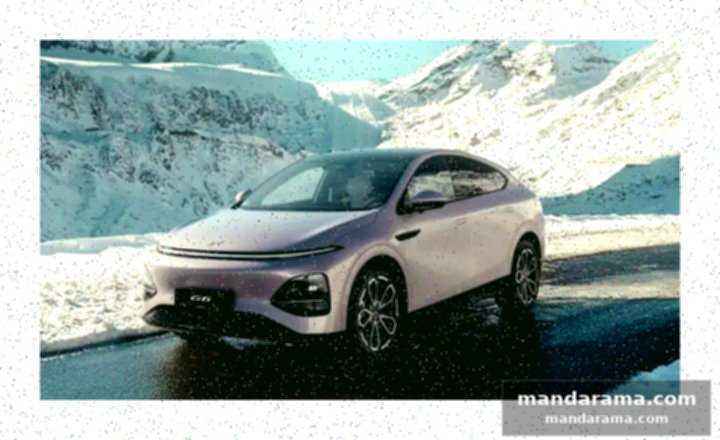
The G6 EREX represents a clever evolution of Xpeng’s already popular G6, retaining a strikingly similar exterior. But beneath the skin lies a powertrain designed to deliver the best of both worlds: instant electric torque combined with the reassuring range of a gasoline engine. The heart of the system is a 1.5-liter gasoline engine acting solely as a generator, feeding power into a 55.8 kWh LFP battery that drives a 218 kW electric motor. In pure electric mode, the G6 EREV offers a respectable 430 kilometers of range. Beyond that, the gasoline engine seamlessly steps in to extend the total range to a remarkable 1,703 kilometers thanks to a 60-liter fuel tank.
It’s not just range that impresses. Xpeng has clearly prioritized charging speed, mirroring the capabilities of the fully electric G6. Regenerative braking allows for the recovery of 314 kilometers of range in just 12 minutes at a high-power charging station. Efficiency is also noteworthy, with a reported consumption of just 13.9 kWh per 100 kilometers – though this figure is, naturally, achieved under ideal road conditions.

More than just a powertrain: tech-packed luxury
The G6 EREX isn’t simply a hybrid powertrain bolted onto an existing car; it’s a showcase of Xpeng’s technological prowess. Given its generous dimensions—4.77 meters long and 1.92 meters wide—the car demands a sophisticated interface to keep the driver informed. A double-wishbone front suspension and a five-link rear suspension, augmented by adaptive dampers and Xpeng's proprietary Taiji hydraulic suspension supports, work to isolate the cabin from road imperfections, ensuring a smooth and comfortable ride. This intricate mechanical setup is managed by a powerful Nvidia Orin-X chip and LiDAR sensors, forming the backbone of the car’s advanced driver-assistance system (ADAS).
A proprietary VLA (Velocity Drive AI) system acts as the car’s ‘brain,’ constantly analyzing the environment and making automated steering and braking decisions up to 130 km/h. Furthermore, a stability control system can maintain vehicle composure even after a blowout at 180 km/h. Inside, the minimalist, functional design echoes Xpeng’s broader aesthetic, with a focus on ergonomics and ride quality. The transition between electric propulsion and generator mode is designed to be virtually imperceptible, maintaining a quiet and refined cabin environment.
A price point to watch
The G6 EREX arrives with a compelling price tag, starting at 195,800 yuan in China (approximately €23,430). While a European launch date remains unconfirmed, early estimates suggest a price point around €40,000. Xpeng’s gamble on the hybrid model could prove pivotal, bridging the gap for consumers hesitant to fully commit to electric, and demonstrating that the future of driving might indeed be a blend of old and new.