Marc márquez's financial empire: nine titles, a pozuelo mansion, and a surprisingly pragmatic approach
Marc Márquez has cemented his place among MotoGP’s titans, claiming nine world championships with Honda and Ducati – a testament to unparalleled skill and a relentless pursuit of victory. But beyond the roar of the engine and the checkered flags, a different kind of success story is unfolding: a financial empire built on speed and shrewd management.
Beyond the podium: márquez’s untapped wealth
The story begins with the obvious – substantial prize money and lucrative endorsements. However, Márquez’s wealth is far more substantial than most realize. His lavish residence in Pozuelo de Alarcón, a €10 million estate, speaks volumes. Yet, surprisingly, the pilot’s approach to this newfound fortune is remarkably grounded. Márquez isn’t chasing extravagant displays of wealth; instead, he’s prioritizing strategic investment and a disciplined lifestyle.
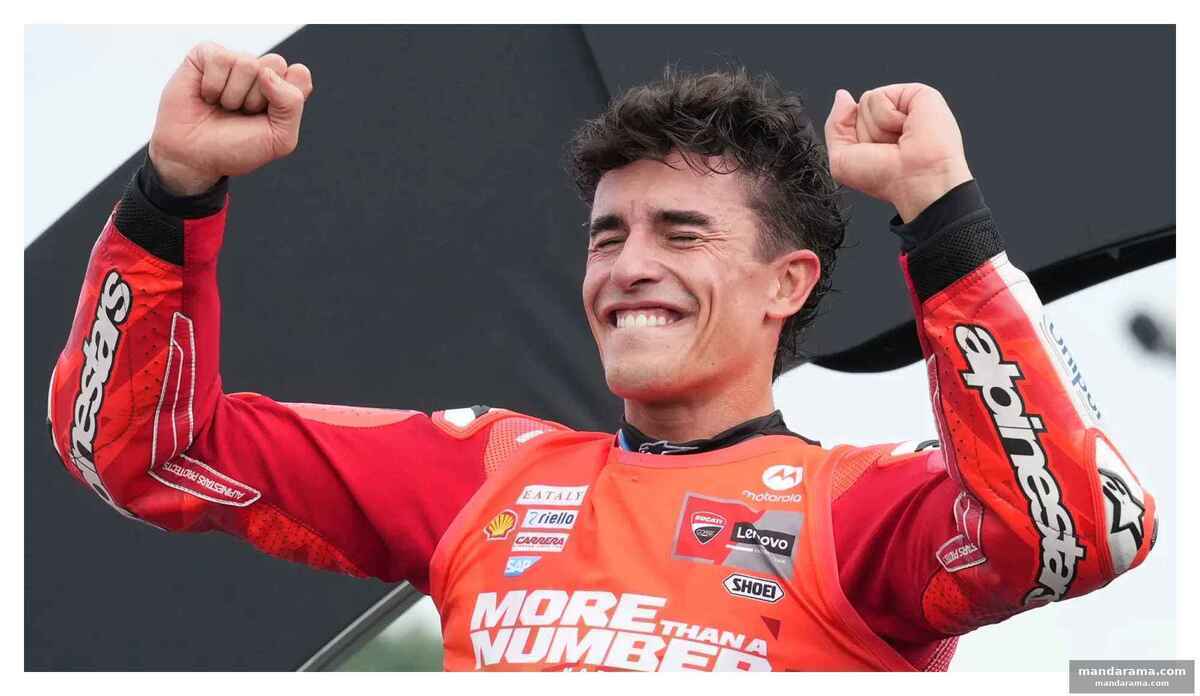
A calculated strategy: racing mindset applied to finance
“When you arrive at the World Championship, what are you looking for – money or the best bike?” Márquez candidly explains. “I was taught that. I was very lucky. They mentally prepared me, and now I understand. They told me: ‘We’re looking for the best bike because real money is earned in MotoGP.’” This early lesson – prioritizing performance over immediate riches – has shaped his financial decisions. Initially, a €1 million bonus fueled his ambition, but Márquez quickly learned to temper his enthusiasm. He recounts his manager’s advice: “It’s a lot, but it’s just the beginning. Let it sit in the bank.”

Dividing the victory: prizes, incentives, and strategic investment
Márquez’s wealth is now divided between MotoGP prize money and incentives, and his burgeoning real estate portfolio. His Pozuelo mansion, a sprawling 1,300 square meter property, exemplifies this strategic investment. He views it not as a status symbol, but as a long-term asset – “an investment that I enjoy.” Fully paid for and offering a buffer against market fluctuations, it demonstrates a calculated approach rarely seen in elite athletes.

Autonomy and transparency: a defiant approach to taxation
Márquez’s financial structure is deliberately simple: he operates as an autónomo, avoiding the complexities of a limited liability company (SL). “When the tax authorities come knocking, it’s understandable,” he admits with a wry smile. He carefully manages his finances, paying approximately 50% in taxes and allocating a modest 10% to his manager and covering expenses like training bikes. His commitment to transparency – and his reluctance to attract unwanted attention from the authorities – highlights his pragmatic nature. Declaring himself an autónomo, rather than a company, ensures a straightforward, albeit potentially contentious, relationship with the tax authorities. This proactive approach, he insists, is a matter of ‘survival’ – avoiding the scrutiny that often accompanies extreme wealth.

A champion’s perspective: more than just money
Despite his staggering earnings, Márquez maintains that his motivation has always been the pursuit of racing excellence. “I’m lucky that the money hasn’t changed my lifestyle,” he states, emphasizing his commitment to staying grounded. His financial success, therefore, isn’t a reward but a consequence of his dedication to the sport. And with a €93,000 limit on surplus funds, securing a Ducati Panigale V4, a fiercely competitive prize, becomes a strategic battle in itself – a testament to Márquez’s unwavering focus on the track and the ultimate goal: victory.