Spain's roads get a radical makeover: new signs and a shift in mobility
Thirty-odd new traffic signs are rolling out across Spain, a significant overhaul of the country’s road signage system – a system that hadn’t seen a major update in over two decades. Forget familiar symbols; this is a deliberate attempt to wrestle with the burgeoning world of micro-mobility.
Electric scooters and bikes take center stage
The driving force behind this change? The explosive growth of electric scooters and bikes. These aren’t just trendy gadgets anymore; they’re a genuine transportation alternative in cities, demanding clearer regulations. The DGT (Dirección General de Tráfico) is finally catching up, aiming to integrate these newcomers into the existing traffic flow – a delicate balancing act, to say the least.
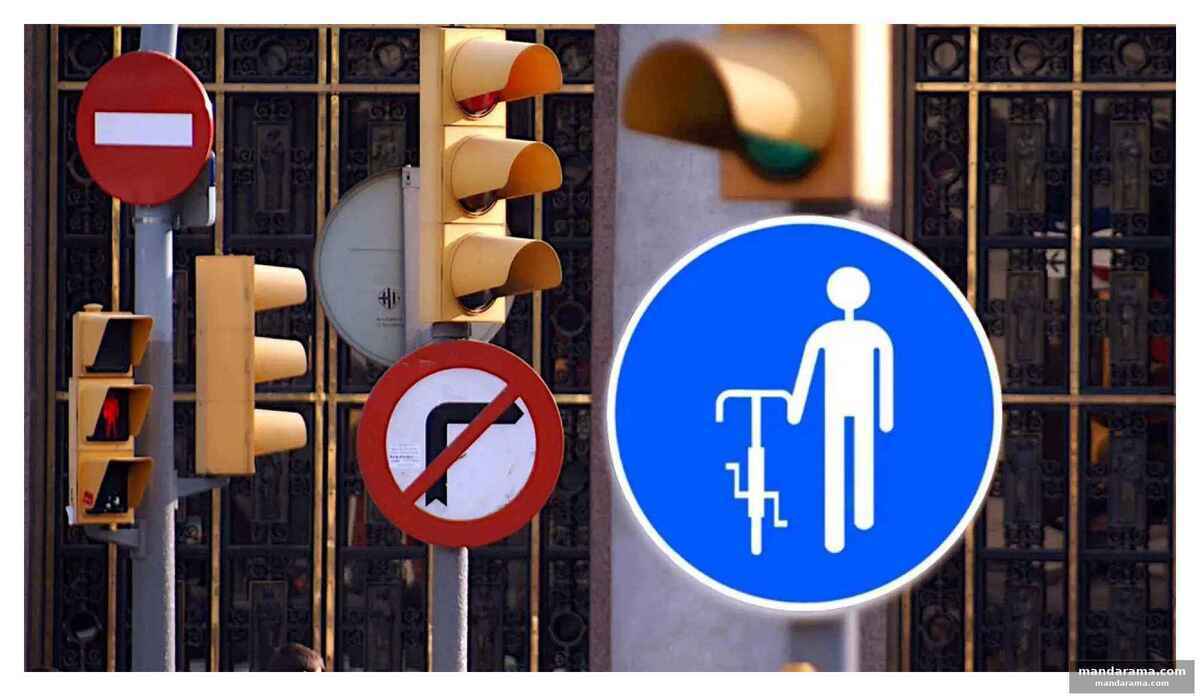
Introducing sign r-422: the key to staying out of trouble
Pay close attention to Sign R-422. It’s a circular blue disc emblazoned with a white cyclist and scooter pictogram – a frontal view of each. It’s a mandatory instruction: if you’re piloting a VMP – that’s a scooter or bike – you must dismount and continue on foot at the point indicated by the sign. Ignoring this? Prepare for a ticket from a patrolling traffic officer. It’s a blunt, almost aggressive, approach – and a necessary one, arguably.

A deep dive into the overhaul
Last year’s government decree mandated a complete revamp of the General Circulation Regulations (RGC). This isn't a simple refresh; it’s a fundamental restructuring. The changes aren’t just about adding new signs; existing ones are being retired, and many outdated designs are being scrapped entirely. The DGT, under Pere Navarro, is betting on a more intuitive and legible system. And it’s not just about aesthetics. They're incorporating information on electric charging points and alternative fuels – a pragmatic response to the accelerating shift towards electrification.
Beyond the symbols: a focus on clarity and inclusion
But the biggest shift? The move away from gendered language in signage. The goal: a visually neutral system, prioritizing inclusivity. Technical improvements, like standardized sizes for easier manufacturing, are also being implemented. This is a surprisingly subtle but potentially powerful change, reflecting a wider effort to modernize the entire infrastructure.
Implementation: a phased rollout
The reforms came into effect on July 1st, 2025, and the replacement of existing signs is proceeding in stages, coinciding with routine maintenance schedules. However, all previously issued signage must be removed within a year of the implementation date. It’s a logistical challenge, but one the DGT seems determined to overcome. Ultimately, this redesign isn't just about better roads; it's about adapting to a rapidly evolving transportation landscape.