Spanish motorists face stealth speed trap surge ahead of easter
Holiday travel in Spain is about to get a whole lot more expensive—and potentially invisible. As millions prepare to hit the roads for Semana Santa (Holy Week), Spanish authorities are deploying a new generation of near-undetectable speed cameras, promising a significant uptick in traffic enforcement and a headache for drivers.
The rise of the 'invisible' radar
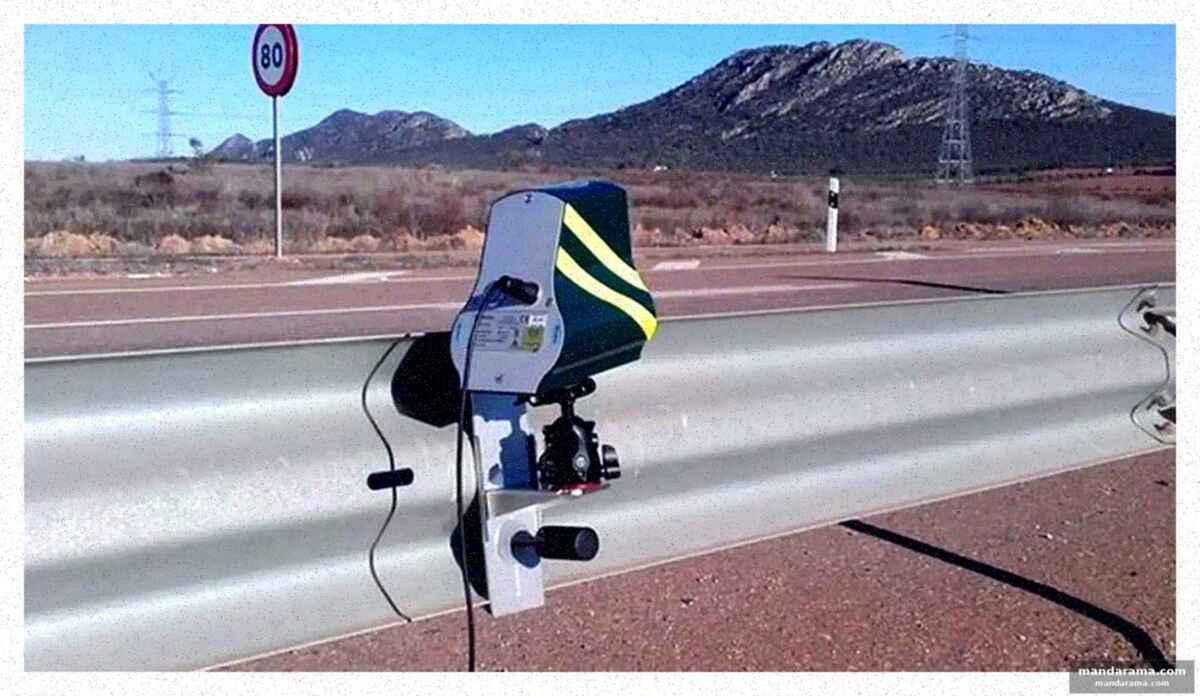
Forget the easily identifiable speed camera housings. The Dirección General de Tráfico (DGT), Spain's traffic authority, is now utilizing what they call “invisible” radars—though, let's be clear, they're not truly invisible. These devices, primarily Velolaser or similar laser-based systems, are designed to be discreetly placed, blending into the environment and often going unnoticed until it's too late. Their compact size allows them to be mounted on guardrails, traffic signs, tripods, or even integrated into patrol vehicles, making detection a real challenge.
The Technology’s reach is what’s truly concerning. Some units can measure speed from over a kilometer away, effectively extending the enforcement zone far beyond what traditional systems offer. The DGT is strategically positioning these along long, straight stretches of highway—precisely where drivers are most prone to pressing the accelerator. And because their placement is frequently mobile and cleverly concealed, relying on navigation apps like Google Maps or Waze for warnings is largely futile; drivers are often ticketed before any alerts can be posted.
What makes these radars so effective? They capture multiple speed measurements per second and high-definition images of offending vehicles, ensuring accurate license plate recognition and facilitating swift ticket processing—making appeals significantly more difficult.
Beyond the 'invisible' radars: a multi-pronged approach
The deployment of these stealth cameras is just one facet of a broader traffic control strategy. The DGT is simultaneously deploying fixed and mobile speed cameras, as well as utilizing a fleet of 15 Pegasus helicopters and nearly 40 drones—some of which can issue tickets directly. These helicopters, capable of tracking vehicles traveling at speeds between 80 and 350 km/h from altitudes of up to 700 meters, are particularly effective at catching extreme speeders. Drones, while having shorter ranges and flight times, offer a smaller, more discreet aerial perspective, supplementing the ground-based radar network.
The DGT’s fleet also includes MX15 super-cameras, installed on helicopters, which provide extremely detailed imagery, enabling precise identification and tracking of vehicles. Combined with the new radar Technology, the chances of escaping unnoticed are dwindling.
But the true cost here isn’t just the fines. It's the erosion of driver trust and the increased anxiety on the roads. The DGT’s strategy prioritizes enforcement over transparency, creating an environment where drivers are essentially operating under a constant, hidden surveillance.
According to the DGT's own data, traffic fatalities have slightly decreased in recent years, but critics argue these measures are more about revenue generation than genuine safety improvements. The question remains: at what cost does improved road safety come?